Showing posts with label Douglas Austin San Diego. Show all posts

Thursday, September 8, 2022

A Brief Look at One-Step Sparring - Taekwondo


 With a degree in architecture from California Polytechnic State University, Douglas Austin is a longtime San Diego, California resident who draws upon four decades of experience as an architect to serve as the chairman and CEO of AVRP Studios. Through the San Diego-based AVRP Studios, he provides clients with next-generation architectural design solutions. During his leisure time, Douglas Austin enjoys practicing taekwondo.


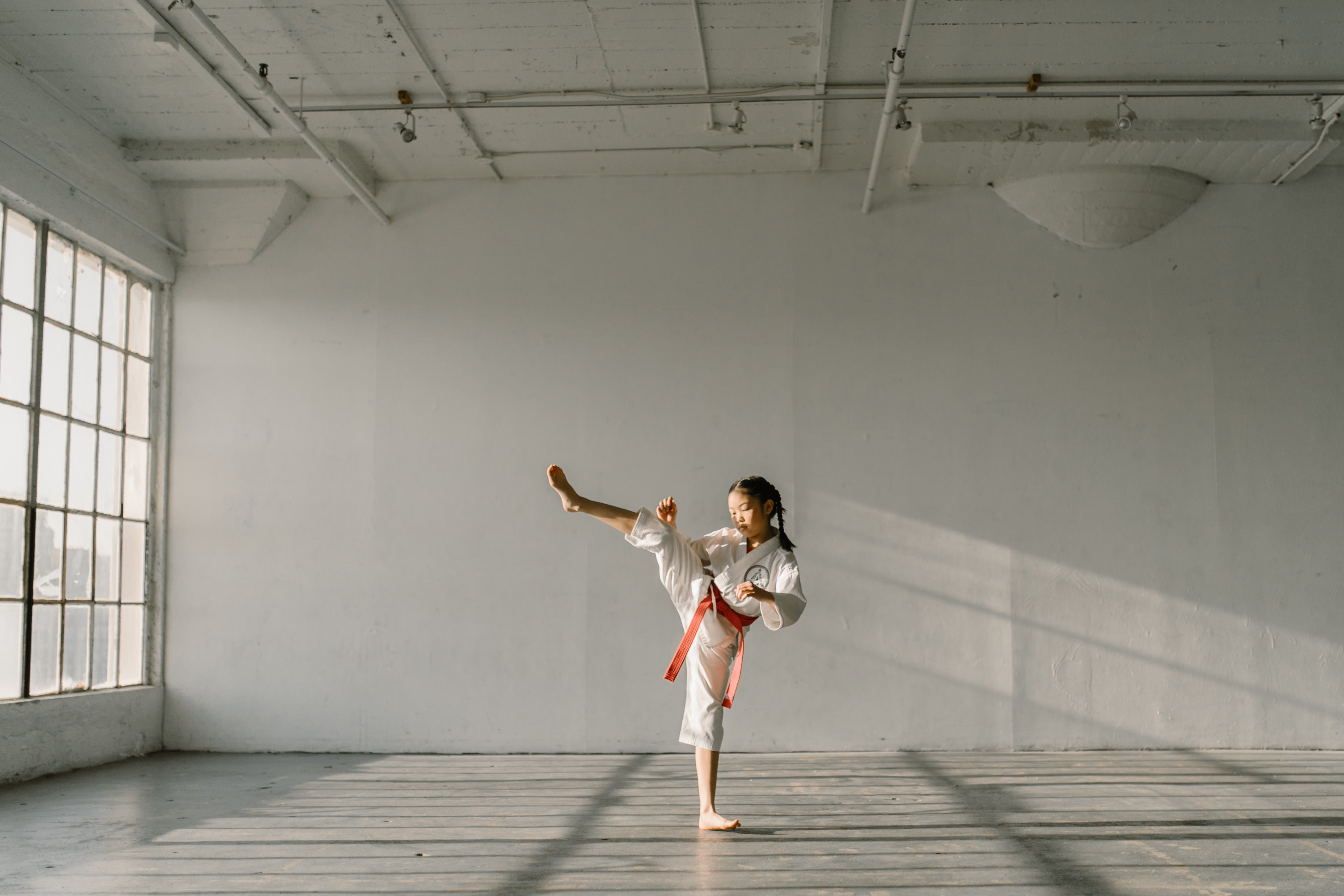
A taekwondoin (taekwondo practitioner) must perfect one-step sparring to a satisfactory extent from their early stages in combat. The highest rank in taekwondo is the black belt. The lowest rank is arguably a white belt with yellow stripes. A taekwondoin must earn a white belt with yellow stripes to proceed to higher levels in the combat sport, and one-step sparring is one of the sparring processes required for the rank.


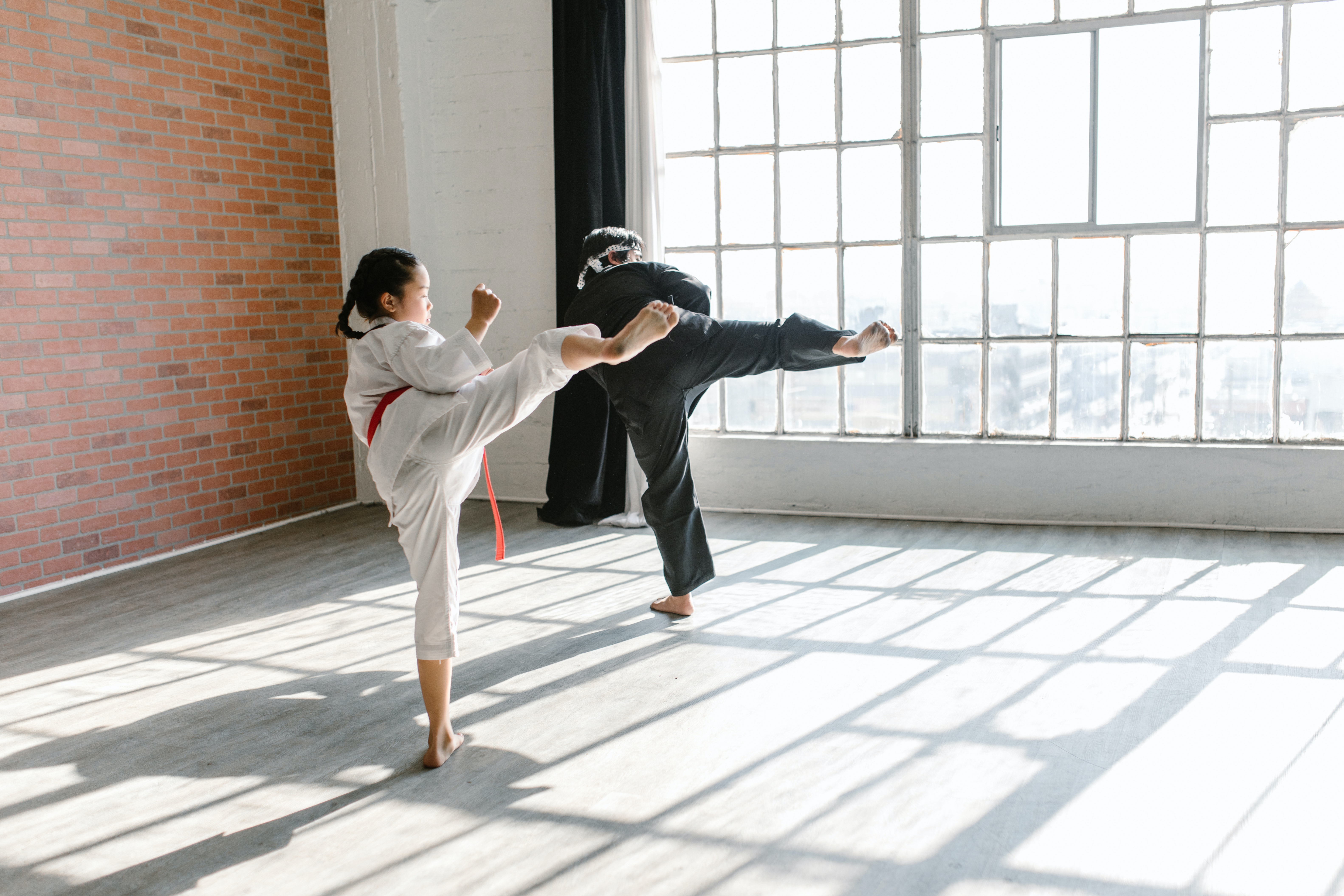
One-step sparring requires two taekwondo practitioners. The sparring format entails throwing an attack stance immediately followed by a defensive stance toward their opponent, one step at a time. The attack and defense in each step need to be combined in a split second. Otherwise, the attacking participant may lose the match.


The participant must also choose their attack moves since there is no pre-agreed move or combination in one-step sparring, and must alert their opponent by yelling "kihap" and waiting for their opponent to respond with the same word before they proceed. Technically, one-step sparring requires two steps (sequence) of attack and defense combined to form a complete process.

Tuesday, August 23, 2022

Brief History of Taekwondo


The CEO of AVRP Studios, Douglas Austin is an experienced architect in San Diego, California. He received a special commendation from the San Diego City Council in recognition of his contribution to creating the city's skyline. Douglas Austin enjoys skiing, surfing, and Taekwando during his free time.


The Korean kingdom of Koguryo, which existed between 37 BC and 66 AD, is where the earliest records of Taekwondo instruction can be found. A select set of soldiers known as the Hwarang (Flower of Youth) existed then. The Hwarang were carefully chosen and received rigorous training in all facets of military expertise, including Tae Kyon (unarmed warfare).All competitive sports were prohibited in Korea during Japan's occupation, except for those played by the army, which was governed by Japan.


As time passed and they achieved a lasting peace between the two nations, all Korean educational institutions began teaching Japanese curricula. Among them are the well-known Japanese martial arts of Kendo, Judo, Karate, and Aikido. It resulted in a blending of the martial arts cultures of the two nations. On August 15, 1945, Korea gained independence from colonial Japan. On this day, Korean martial arts also gained their independence.


Taekwondo was practised by Korean officials who sought to establish their legitimacy by advancing the art over the years following the country's independence. Taekwondo Dojangs began to spring up and attract many martial arts trainees. On September 16, 1961, Officials found the Korean Taesudo Association (16 years after independence). Later, it became known as the Korean Taekwondo Association.


On September 17, 1988, during the Seoul Olympics, Taekwondo became the first demonstration sport, which sparked a global marketing campaign for the discipline. Taekwondo officially joined the Olympic Games on September 4, 1994, in Paris at the 103rd IOC Assembly. It's important to note that, unlike most other Olympic sports, the World Taekwondo Federation regulates Taekwondo's rules.

A Brief Look at One-Step Sparring - Taekwondo

 With a degree in architecture from California Polytechnic State University, Douglas Austin is a longtime San Diego, California resident who...