Tuesday, August 23, 2022

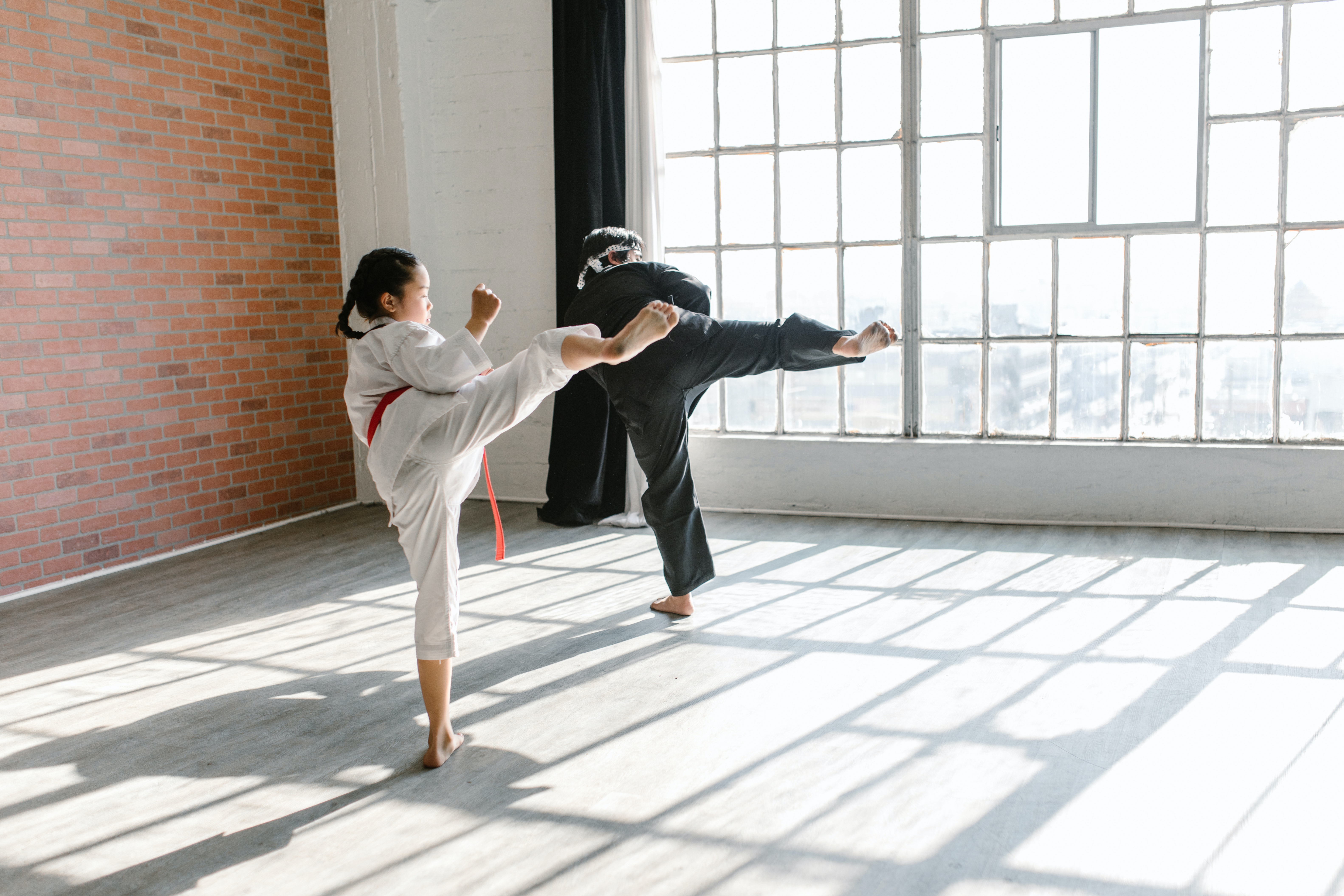
Brief History of Taekwondo


The CEO of AVRP Studios, Douglas Austin is an experienced architect in San Diego, California. He received a special commendation from the San Diego City Council in recognition of his contribution to creating the city's skyline. Douglas Austin enjoys skiing, surfing, and Taekwando during his free time.


The Korean kingdom of Koguryo, which existed between 37 BC and 66 AD, is where the earliest records of Taekwondo instruction can be found. A select set of soldiers known as the Hwarang (Flower of Youth) existed then. The Hwarang were carefully chosen and received rigorous training in all facets of military expertise, including Tae Kyon (unarmed warfare).All competitive sports were prohibited in Korea during Japan's occupation, except for those played by the army, which was governed by Japan.


As time passed and they achieved a lasting peace between the two nations, all Korean educational institutions began teaching Japanese curricula. Among them are the well-known Japanese martial arts of Kendo, Judo, Karate, and Aikido. It resulted in a blending of the martial arts cultures of the two nations. On August 15, 1945, Korea gained independence from colonial Japan. On this day, Korean martial arts also gained their independence.


Taekwondo was practised by Korean officials who sought to establish their legitimacy by advancing the art over the years following the country's independence. Taekwondo Dojangs began to spring up and attract many martial arts trainees. On September 16, 1961, Officials found the Korean Taesudo Association (16 years after independence). Later, it became known as the Korean Taekwondo Association.


On September 17, 1988, during the Seoul Olympics, Taekwondo became the first demonstration sport, which sparked a global marketing campaign for the discipline. Taekwondo officially joined the Olympic Games on September 4, 1994, in Paris at the 103rd IOC Assembly. It's important to note that, unlike most other Olympic sports, the World Taekwondo Federation regulates Taekwondo's rules.

Thursday, August 4, 2022

Pre-Ride Safety Precautions for Biking


 An accomplished architect and city planner with over four decades of experience, Douglas Austin is the chairman and CEO of San Diego, California-based architectural firm AVRP Studios. He oversees the firm’s operations in its offices in Los Angeles, Irvine, and Vancouver, British Columbia, Canada. His achievements in the architectural space have gotten him significant awards and recognition, including the People to Watch Award by San Diego Magazine, the finalist for Ernst and Young Entrepreneur of the Year, the San Diego Big Hitters Award, and more. Outside of his work, Douglas Austin enjoys biking.


Biking is one of the most rewarding hobbies as it is both fun and healthy. However, this exciting activity could also be risky, especially when people don’t take the necessary safety precautions to prevent injuries or even fatalities.


One of the most important safety precautions is pre-ride inspection. This is because a faulty bike may undermine the things you do to stay safe after hitting the road. Pre-ride inspections include checking key parts of the bike, such as brakes and tires, and knowing if they are defective. Hold the brakes and try moving the bike to how firmly they grip the tires.


As for the tires, they must be well pumped, after which you must press them hard to confirm whether or not they’re deflated. Also, the tires should roll freely without touching the brakes when you ride, so turn the bike upside down, roll the tires and see that any obstacles don’t hinge on them.


Tuesday, May 17, 2022

Attract & Engage Millennials in Workplace


An architect based in San Diego, Douglas Austin is the chairman and CEO of AVRP Studios. As part of his work, Douglas Austin designs efficient high-rise buildings by taking a people-first approach. He has a passion for ensuring that people can work harmoniously in the same workplace, particularly when it comes to bridging the divide between baby boomers and Millennials. As more Millennials enter the workforce, established companies must take steps to integrate them into the workplace to be successful.

First, it’s important to recognize that Millennials grew up using digital tools as part of their everyday lives. Whereas baby boomers had to adapt to computers and smartphones, Millennials tend to have a deeper understanding of digital technologies and how they can be utilized in the workplace. One way to accommodate this is by offering Millennial workers the chance to select the technologies that allow them to do their jobs best, in addition to making any preferred tech hardware and software readily available.

The company’s values also play a role in how well Millennial employees are engaged. Up to 75 percent of people in this generation say that they want to work with companies with values that are aligned with their personal beliefs. This does not mean a company needs to alter its value structure to appeal to Millennials. Instead, values can simply be highlighted to attract Millennial employees who share the company's values. These employees are likely to be productive and long term, because they prefer working for a company that gives them purpose and a sense of belonging.

Thursday, April 14, 2022

What Size of Surfboard Should You Buy


An architect and alumnus of the California Polytechnic State University, Douglas Austin serves as chairman and CEO of AVRP Studios in San Diego, California. In his long career, he has won significant awards for his work and contributions, including San Diego Big Hitters Award and People to Watch by San Diego Magazine. Douglas Austin enjoys spending time away from work on hobbies like taekwondo and surfing.


When choosing the surfboard size to buy, there are two important facts to consider: your surfing skill and the amount of time spent in the water. Most surfers prefer bigger surfboards. With a big surfboard, you have chances of catching waves quickly, it is easier to paddle, and there is more stability while you surf. When choosing the right size for your surfboards, you should also look for your weight and skill level.

With the right surfboard size, you can enjoy surfing while learning and progressing faster. Beginners should choose bigger surfboards, while experienced surfers should lean towards smaller boards. The more you surf, the smaller board you'll need. However, for beginners, a small surfboard will stifle your progress.

Beginners should stick to funboards, perfect for catching waves right away. On the other hand, longboard sizes are in a class by themselves in size and performance. They are perfect for all surfers regardless of skills or experience and are a good starting point. The best pick is a big surfboard to accommodate your weight and surfing skills.

A Brief Look at One-Step Sparring - Taekwondo

 With a degree in architecture from California Polytechnic State University, Douglas Austin is a longtime San Diego, California resident who...